Leviticus 9:1-11:47
~ Click here to read today’s Scripture on BibleGateway.com ~ // Mobile Site Link
~ Listen to today’s Scripture on ESV Online.org ~
function googleTranslateElementInit() {
new google.translate.TranslateElement({
pageLanguage: ‘en’
}, ‘google_translate_element’);
}
http://translate.google.com/translate_a/element.js?cb=googleTranslateElementInit
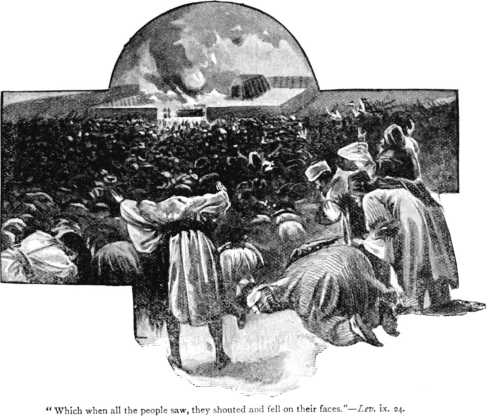
Today in Leviticus chapter 9 we read about Aaron & his sons beginning their priestly ministry. I liked verse 24 as a closing verse to this chapter: “Fire blazed forth from the LORD’s presence and consumed the burnt offering and the fat on the altar. When the people saw all this, they shouted with joy and fell face down on the ground.” I think what this verse does for me is to really confirm that all of the Offerings we are reading about in Leviticus were ordained by God at that time and that what we are reading about in Leviticus is truly part of God’s story. Not that I ever doubted this fact – but, when you read about God consuming the offering in fire in such a dramatic fashion, you realize that God was fully pleased with the priest’s and the people’s obedience. The Offerings are part of God’s story – and are foreshadowing the final Offering of Jesus on the cross. Do you believe the Offerings are a part of our spiritual history?
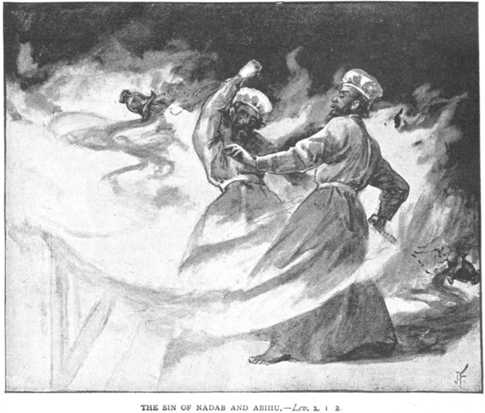
In Leviticus chapter 10 we read about the disobedience of Nadab and Abihu. You’ll recall 2 days ago that we read in Leviticus Chapter 6 verse 13: “Remember, the fire must be kept burning on the altar at all times. It must never go out.” Commentaries state that the fire was never to go out because the fire was started by God. Humans were not to bring man-made fire to the altar, or they would die. I realize that this can seem like a very harsh punishment for disobedience. Commentaries suggest that because Nadab and Abihu were in such high spiritual leadership positions, their disobedience carried the risk of leading many people astray. One commentary at this link suggests that Nadab and Abihu may have been intoxicated on wine, based on God’s subsequent instruction for priestly worship in Leviticus 10:9 – “You and your descendants must never drink wine or any other alcoholic drink before going into the Tabernacle. If you do, you will die.” It may help to remember that we saw disobedience from others earlier in the Bible – and we’ll see disobedience again later in the Bible – without the consequence of immediate death. But, in this case, disobedience brought death. Think about the risk of disobedience in our lives today. Yeah, sure, maybe we can get away with something dangerous/disobedient 9 times out of 10 – but, there is always the risk that perhaps the 10th time could prove lethal. So – why take the risk of disobedience at all? Is it worth it? Ever?
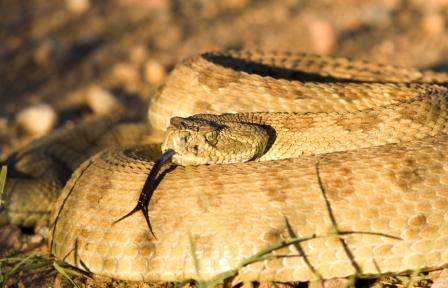
Today in Leviticus chapter 11 we read about ceremonially clean and unclean animals for the Israelites. The One Year Bible Companion commentary on this chapter today states that “there were several reasons for this restricted diet – 1. to ensure the health of the nation. The forbidden foods were usually scavenging animals that fed on dead animals; thus disease could be transmitted through them. 2. to visibly distinguish Israel from other nations. The pig, for example, was a common sacrifice of pagan religions. 3. To avoid objectionable associations. The creatures that move about on the ground, for example, were reminiscent of serpents, which often symbolized sin.”
Verses 20-22 mention of eating locusts reminded me of John the Baptist: “You are to consider detestable all swarming insects that walk along the ground. However, there are some exceptions that you may eat. These include insects that jump with their hind legs: locusts of all varieties, crickets, bald locusts, and grasshoppers. All these may be eaten.” Commentary at bible.org on “The Clean & the Unclean” from Leviticus chapter 11 is at this link, and from chapter 12 is at this link. And yes, in theory, this is a grasshopper in the image below. It’s clean! 🙂

Today in chapter 11 verse 44 we read: “After all, I, the LORD, am your God. You must be holy because I am holy.” How does this verse speak to you? Do you think about being holy? Do you want to be holy? Zondervan shares the following commentary on this verse – “Holiness is the key theme of Leviticus, ringing like a refrain in various forms throughout the book. The word “holy” appears more often in Leviticus than in any other book of the Bible. Israel was to be totally consecrated to God. Her holiness was to be expressed in every aspect of her life, to the extent that all of life had a certain ceremonial quality. Because of who God is and what he has done, his people must dedicate themselves fully to him.” Check out Peter quoting from this Leviticus verse in 1 Peter 1 verses 13-16 – “Therefore, prepare your minds for action; be self controlled; set your hope fully on the grace to be given you when Jesus Christ is revealed. As obedient children, do not conform to the evil desires you had when you lived in ignorance. But just as he who called you is holy, so be holy in all you do; for it is written: “Be holy, because I am holy.”” How do these verses speak to you? Do you think about being holy? Do you want to be holy?
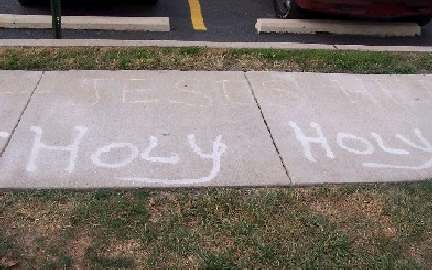
Worship God: Our readings in Leviticus 11:44 today reminded me of the Michael W. Smith song “You Are Holy:”
http://www.youtube.com/watch?v=HCuaQCr0hws
Do you know our Holy God? Click here for Holiness!
Please join us in memorizing and meditating on a verse of Scripture today: “I am the LORD your God; consecrate yourselves and be holy, because I am holy.” Leviticus 11:44 NIV
Prayer Point: Pray for holiness in your life, through your saving faith in Jesus Christ as your Lord and Savior.
Comments from You: What verses or insights stand out to you in today’s readings? Please post up by clicking on the “Comments” link below!
God bless,
Mike

 Chronological Bible Blog
Leave a comment